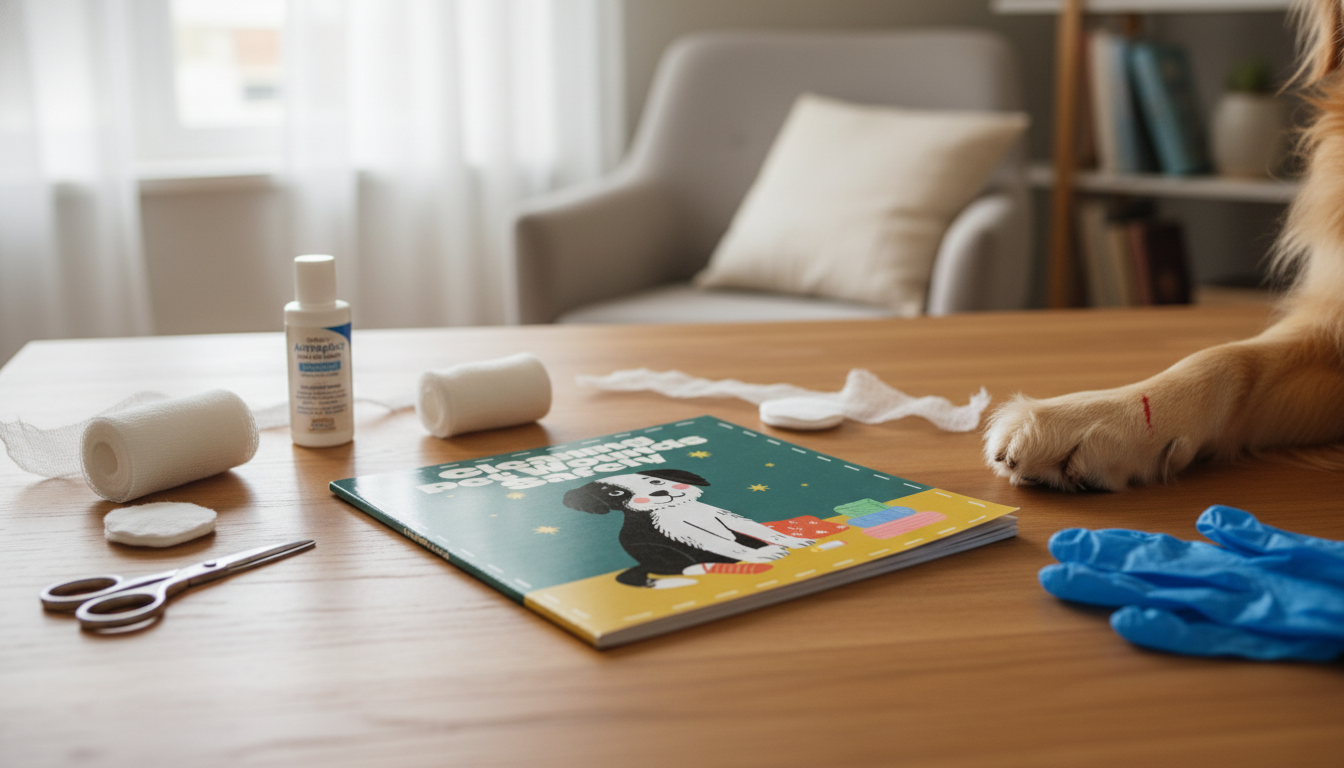
Small cuts and scrapes can happen in seconds—on walks, in the yard, or during play. Safe home wound care focuses on three priorities: stopping bleeding, gently cleaning without damaging tissue, and knowing when a veterinarian is needed. The steps below keep the process simple, reduce infection risk, and help pets stay as comfortable as possible during and after care.
Before touching the wound, take 10–20 seconds to assess your pet’s overall condition. If anything seems “not right,” it’s safer to get help than to push ahead with home care.
| What you see | Likely risk | Best next step |
|---|---|---|
| Superficial scrape with mild redness and no swelling | Low | Clean gently, protect, and monitor daily |
| Bleeding that stops with 5–10 minutes of steady pressure | Moderate | Clean, cover if needed, and recheck for swelling or discharge |
| Bleeding that will not slow after 10 minutes of pressure | High | Emergency vet care |
| Deep puncture, bite wound, or cat bite | High infection risk | Vet evaluation the same day |
| Gaping cut, visible tissue layers, or wound edges won’t stay together | Needs closure | Vet care for sutures/staples |
| Limping, significant swelling, foul odor, pus, or worsening pain | Infection/complication | Vet care within 24 hours (sooner if severe) |
A calm, organized setup prevents rushed decisions and reduces contamination. Pick a bright, quiet room and keep other pets away.
For additional structure during stressful moments, keep a ready-to-print checklist near your first-aid supplies, such as The Guide to Cleaning Pet Wounds Safely (Printable PDF).
Cleaning comes after bleeding is controlled. If the wound is actively bleeding, focus on steady pressure—no repeated peeking.
If bleeding won’t slow after 10 minutes of firm pressure or your pet seems weak, seek emergency care. For general emergency preparedness guidance, the American Veterinary Medical Association (AVMA) has helpful pet owner resources.
| Option | Typical use | Use with caution / avoid when |
|---|---|---|
| Sterile saline | Gentle flushing and rinsing | Avoid reusing opened containers if contaminated |
| Clean lukewarm water | Rinsing when saline isn’t available | Avoid high-pressure streams that can drive debris deeper |
| Dilute chlorhexidine (vet-guided) | Skin cleansing around minor wounds | Avoid eyes/ears; do not use too strong a solution |
| Povidone-iodine (diluted to tea color, vet-guided) | Skin cleansing around wounds | Avoid if pet has iodine sensitivity; avoid eyes |
| Hydrogen peroxide or alcohol | Surface disinfection of objects, not tissue | Avoid on open wounds; can irritate and delay healing |
If you want a deeper, vet-aligned overview of basic wound care concepts, VCA Animal Hospitals provides educational articles that can help you recognize when a wound is more serious than it looks.
Strong healing also depends on overall health. If you’re reviewing basics like hydration, protein needs, or reading pet food labels, Pet Nutrition 101: What Every Pet Parent Needs to Know is a practical reference to keep on hand.
If you’d like a ready-to-use plan you can print and keep by your supplies, The Guide to Cleaning Pet Wounds Safely (Printable PDF) walks through the same priorities—stop bleeding, flush gently, protect the wound, and monitor for red flags—with a simple daily check format.
Yes—minor superficial cuts and scrapes can often be cleaned at home if bleeding is controlled and there are no red flags like deep punctures, bite wounds, gaping edges, or eye involvement. Use gentle flushing (saline or clean water), avoid harsh chemicals, and monitor closely for infection.
Avoid hydrogen peroxide and rubbing alcohol on open tissue because they can irritate cells needed for healing and may delay recovery. If an antiseptic is used, it should be properly diluted and typically applied around the wound area with veterinary guidance.
Use an e-collar or recovery collar to block access, and supervise closely during peak licking times (after walks, meals, or boredom). Licking and chewing introduce bacteria and can reopen the wound, increasing infection risk and slowing healing.






Leave a comment