Cat Grooming Essentials: Simple Routines for Healthy Coats and Calm, Comfortable Cats
A consistent grooming routine helps reduce shedding and hairballs, prevents painful mats, supports skin and coat health, and makes it easier to spot issues early (fleas, wounds, lumps, or ear problems). The goal is a low-stress system: the right tools, short sessions, and a schedule matched to coat type, age, and temperament.
What “good grooming” actually covers
Cat grooming is more than making a coat look nice—it’s basic body maintenance that supports comfort and early problem detection.
- Coat care: brushing, detangling, and mat prevention based on coat length and density
- Skin check: a quick scan for scabs, dandruff, parasites, redness, and hot spots while brushing
- Nails: regular trims to protect paws, furniture, and reduce snagging
- Ears and eyes: gentle cleaning only when needed; watch for odor, discharge, swelling, or squinting
- Oral care: introducing tooth brushing and dental-safe options to reduce plaque
- Sanitary hygiene: keeping the rear area clean, especially for long-haired, senior, or overweight cats
Build a calm grooming habit (even for nervous cats)
The biggest “secret” to easier grooming is stopping early—before your cat decides it’s too much. Calm is built through many tiny wins, not marathon sessions.
- Start with 30–90 second sessions and stop before the cat becomes overstimulated.
- Pair grooming with something positive: treats, a meal, play, or a favorite sunny spot.
- Choose timing wisely: after play or a meal when the cat is naturally calmer.
- Use gentle handling: support the chest and hips; avoid restraining tighter when the cat struggles.
- Watch for early stress signals: tail flicking, skin twitching, ear flattening, growling, sudden head turns toward the brush.
- Create a consistent “grooming cue” (same mat/towel, same brush, same place) to reduce uncertainty.
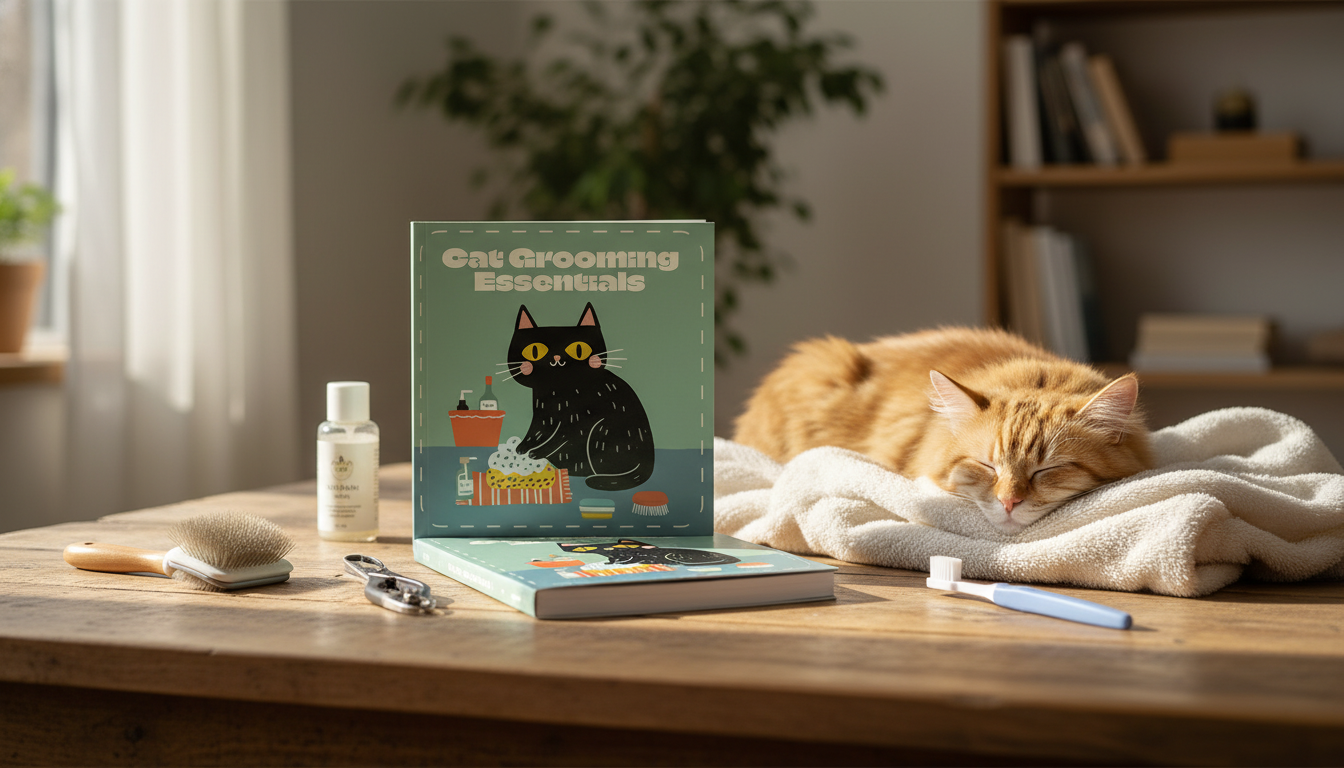
If you want a deeper, checklist-style approach you can print and reuse, the Cat Grooming Essentials printable digital guide is designed to help you keep sessions short, predictable, and cat-friendly.
The essential tool kit (and what each tool is for)
Tools matter because the wrong brush can feel scratchy, tuggy, or overstimulating—especially for cats with sensitive skin.
- Rubber curry or grooming glove: great for short-haired cats and for building tolerance with a massage-like feel
- Slicker brush: removes loose hair and light tangles; choose soft pins for sensitive cats
- Stainless steel comb (wide + fine): checks for mats close to skin and “finishes” after brushing
- Dematting tool or mat splitter: for small mats only; avoid pulling and stop if skin is tight or irritated
- Nail trimmers: scissor-style or guillotine-style; pair with styptic powder for accidental quick nicks
- Cat-safe wipes: quick clean-ups for paws, face, or sanitary area (avoid harsh fragrances)
- Cat toothpaste + soft brush/finger brush: never use human toothpaste (can be toxic if swallowed)
- Optional: flea comb, especially for outdoor cats or multi-pet households
Quick guide: coat type and grooming frequency
| Coat type |
Brushing goal |
Typical frequency |
Notes |
| Short-haired |
Reduce shedding, distribute oils |
2–3x per week |
Increase during seasonal shedding; focus on back, sides, and chest |
| Medium-haired |
Prevent tangles, remove loose undercoat |
3–5x per week |
Use comb to check behind legs and under arms |
| Long-haired |
Prevent mats and skin irritation |
Daily (or near-daily) |
Prioritize belly, armpits, collar area, and base of tail |
| Senior or overweight |
Support hard-to-reach areas |
3–7x per week |
Watch for dandruff and matting near lower back and rear |
| Kittens (training stage) |
Positive exposure |
Daily micro-sessions |
Keep sessions under 1 minute at first; reward heavily |
Step-by-step brushing session (a repeatable routine)
Consistency makes brushing feel familiar. Aim for a simple sequence your cat can predict.
For cats that shed heavily, coat health is also tied to hydration and nutrition. If you’re evaluating food quality, treats, and supplements, Pet Nutrition 101 digital guide offers a practical foundation to discuss with your veterinarian.
Nails, ears, eyes, and teeth: the basics without the drama
For general pet care and wellness guidance, reputable references include the American Veterinary Medical Association (AVMA) pet owner resources and the Cornell Feline Health Center.
Baths and sanitary trims: when they help (and when to skip them)
Troubleshooting common grooming problems
A printable routine that’s easy to stick to
- Create a weekly plan based on coat type, then add small daily “maintenance moments” (30–60 seconds).
- Track: brushing days, nail trims, dental practice, and any skin findings to share with a veterinarian.
- Keep tools visible and accessible so grooming becomes part of normal home rhythm.
- For a ready-made checklist, routines, and quick-reference steps, use the Cat Grooming Essentials printable digital guide.
FAQ
How often should a cat be groomed?
Most short-haired cats do well with brushing 2–3 times per week, while long-haired cats often need daily (or near-daily) brushing to prevent mats. Increase frequency during seasonal shedding, and groom seniors or overweight cats more often since they may miss hard-to-reach areas.
Is it okay to cut out mats with scissors?
It’s risky because loose skin can get pulled into the mat and be cut. For small mats, use a comb and gentle dematting technique; for tight mats close to the skin, use clippers or see a professional groomer or veterinarian.
What are signs grooming is stressing my cat out?
Early signs include tail flicking, skin twitching, ears pinned back, growling, or sudden head turns toward the brush. Pause or end the session immediately, reward calm behavior, and restart later with shorter sessions and easier body areas.
Recommended for you







Leave a comment