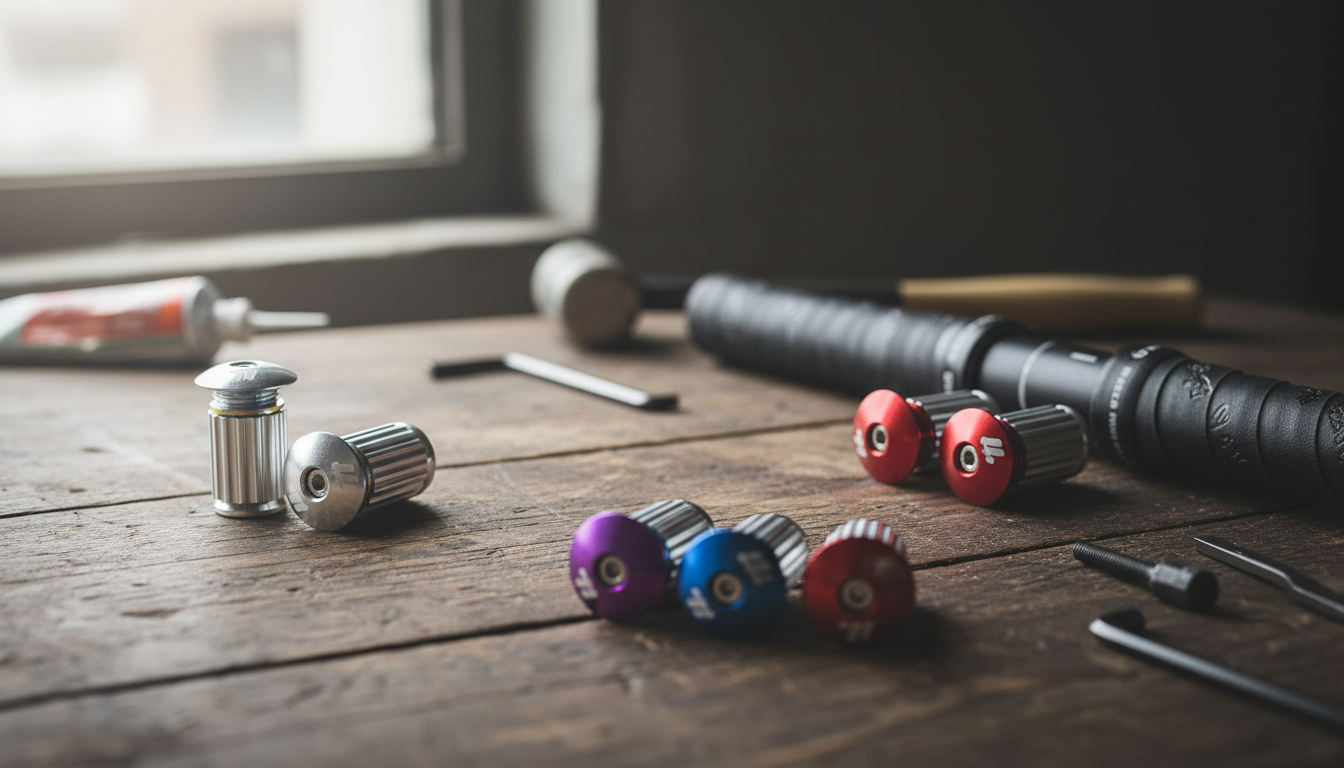
Handlebar end plugs do more than finish the look of a cockpit—they help protect riders from sharp bar edges, keep dirt and water out of the handlebar, and reduce damage to grips and tape after tip-overs. Aluminum alloy end plugs are a popular choice for riders who want a secure fit, a clean aesthetic, and hardware that holds up to frequent use across road, gravel, commuter, and mountain setups. For more guidance, see ODI Bar End Plugs Aluminum | Colored, 17,50 – Auxano University.
Even if a bike rarely hits the ground, bar ends take plenty of incidental contact—leaning against walls, rubbing on racks, or bumping in tight storage. A solid plug acts like a small “bumper” that protects the handlebar end, and it also helps keep the cockpit looking finished after lots of handling. For further reading, see Bar Ends Bike Handle 1 Pair Aluminum Bike Handlebar End Plugs ….
For riders who frequently remove grips, re-wrap bar tape, or swap handlebars, alloy plugs can be a “buy once, reuse often” accessory—particularly when the design uses a bolt-driven expander that can be reset and tightened again.
| Check | Why it matters | How to confirm |
|---|---|---|
| Handlebar inner diameter (ID) | Determines if the expander can grip securely | Measure the bar ID or consult the handlebar spec sheet |
| Bar material (alloy/steel/carbon) | Affects safe tightening torque and fit tolerance | Check the bar label or product listing |
| Use with bar tape (drop bars) | Needs a cap that holds tape neatly at the end | Confirm plug lip design and cap diameter |
| Accessories at bar end | Some setups need open ends or adapter hardware | Verify mirror/light/shifter requirements before purchase |
| Riding conditions | Wet or dusty environments benefit from a tighter seal | Choose a plug style known for firm retention |
If you’re finishing drop-bar tape, following a reliable tape method helps the plug sit cleanly and keep the wrap secure. Park Tool’s guide shows common approaches and where the end plug fits into the final steps: Park Tool — Handlebar Tape Installation.
As a general safety habit, it’s also worth keeping an eye on component advisories and recalls—especially if you buy parts frequently or build bikes from mixed components. A central place to start is: Bicycle Retailer and Industry News — CPSC bicycle safety information and recalls.
Many aluminum alloy end plug designs work on both, but drop bars often benefit from a cap/lip shape that finishes bar tape neatly and securely. Always confirm the plug’s compatible inner diameter (ID) range and that the outer cap sits flush against your tape or grip.
Tighten the expander only until the plug won’t rotate or pull out by hand. Use extra caution with carbon handlebars—snug is typically enough, and over-tightening can damage thin-walled or carbon bars.
Common causes include a mismatched plug size for the bar’s inner diameter, a dirty or wet bar interior, or a plug that was inserted slightly crooked before tightening. Removing the plug, cleaning the inside of the bar, re-seating it straight, and checking the expander for wear or impact damage usually solves the issue.







Leave a comment