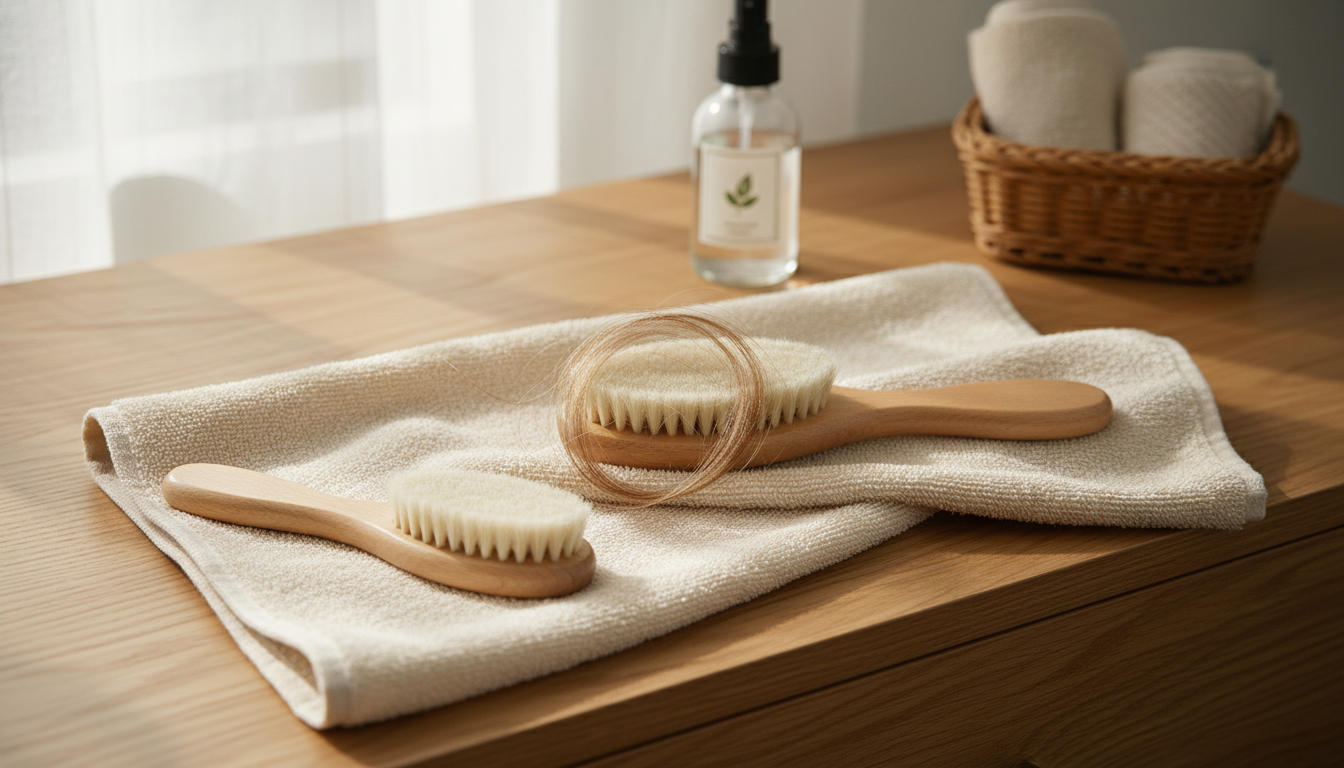
A soft bristle brush is a small tool that makes a noticeable difference after styling, cutting, or installing a wig—quickly sweeping away loose hairs and keeping the neck and nape comfortable. This 2-piece natural wood set is designed for gentle cleanup and everyday wig care, with soft bristles that feel smooth on skin while helping maintain a tidy finish. For more guidance, see [PDF] Boardwork : or, The art of wigmaking, etc – University of Illinois.
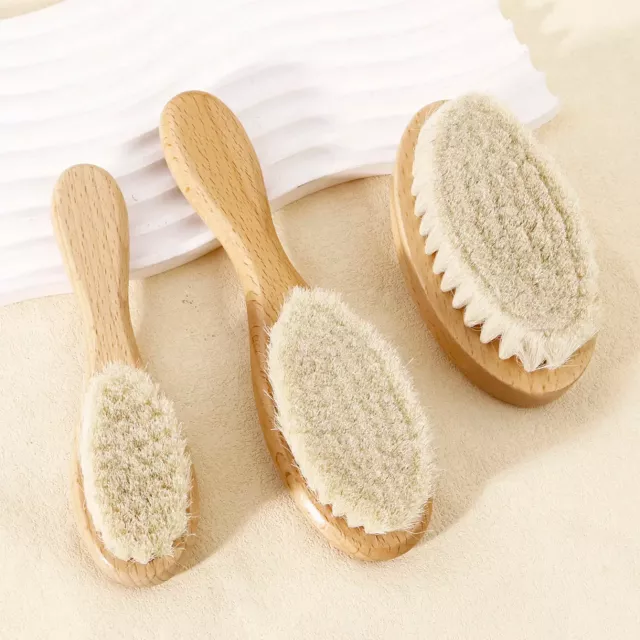
This set includes two soft bristle brushes, giving you flexibility for daily routines and quick touch-ups. Many people keep one at a styling station and tuck the other into a travel bag, or dedicate one brush to neck cleanup and the other to wig maintenance. For further reading, see Alopecia and Hair Shaft Anomalies | Pediatric Care Online.
| Use case | Best area | Technique | Why it helps |
|---|---|---|---|
| Post-haircut cleanup | Neck, nape, behind ears | Light downward strokes; avoid pressing | Sweeps away short clippings that cause itchiness |
| Wig day-to-day care | Wig interior, cap edge, part line area | Short, gentle strokes; support the base with the other hand | Helps remove shed strands and keeps the base tidy |
| Beard/neckline tidy-up | Under jaw and neckline | Brush away loose trimmings after shaping | Prevents stray hairs from sticking to skin and clothing |
| Travel touch-ups | Collar and shoulders | Quick flicks outward from clothing | Reduces visible hair on dark tops and jackets |
If you’re shopping for a simple, everyday option, the 2-Piece Natural Wood Soft Bristle Brush for Neck & Wig Hair Care is an easy add to a home haircut kit or wig-care drawer—and the second brush helps you stay consistent between deep cleans.
When the goal is comfort and a clean finish, bristle softness changes the whole experience. Stiffer fibers can feel scratchy—especially around the nape, behind the ears, and anywhere skin is freshly exposed after trimming. Soft bristles are made for repeated, light passes that remove clippings without over-scrubbing.
For anyone prone to redness or dry, reactive skin, it also helps to keep aftercare simple and non-irritating. Guidance from the American Academy of Dermatology Association can be a helpful reference for minimizing irritation through gentle daily care.
Neck dusting works best when you treat it as a “finish” step rather than a hard scrub. The clippings you feel later are often the tiniest hairs that settle into the collar area or along the nape.
If you cut hair at home and like recording tutorials or checking your neckline from different angles, an adjustable stand can make a big difference for hands-free setup. The Adjustable Tabletop Phone Stand for Livestreaming & Vlogging works well for filming, video calls with a stylist, or simply monitoring the back-of-neck cleanup in real time.
Wigs benefit from gentle, consistent maintenance—especially around the interior cap and perimeter where lint, shed strands, and product residue can collect. The key is stabilizing the base so the brush does the cleaning without tugging on lace, seams, or knots.
For general cleaning best practices (including keeping tools hygienic without overdoing harsh chemicals), the CDC’s cleaning and disinfecting basics offers practical guidance you can adapt to personal grooming tools.
For a simple self-care add-on that fits easily into a “ready in minutes” routine, the Your Everyday Scent Made Simple – Daily Perfume Checklist can help streamline finishing touches after hair styling and wardrobe changes.
Yes—use gentle, short strokes and support the wig base to avoid tugging. Focus on sweeping away shed hair and debris rather than pulling hair through lace or knots.
Wash bristles with mild soap and lukewarm water, keep the wooden handle as dry as possible, and air-dry fully before storing.
It can help by removing fine clippings from the neck, nape, and behind the ears. Best results come from light repeated strokes and brushing the collar area outward at the end.






Leave a comment