HomeBlogBlogInvisible Wall Touch-Ups: Patch, Prime, Blend Like New

Invisible Wall Touch-Ups: Patch, Prime, Blend Like New

Invisible Wall Touch-Ups: Patch, Prime, Blend Like New

Quick Fix Magic for Your Walls: Touch-Ups and Paint That Look Like a Remodel

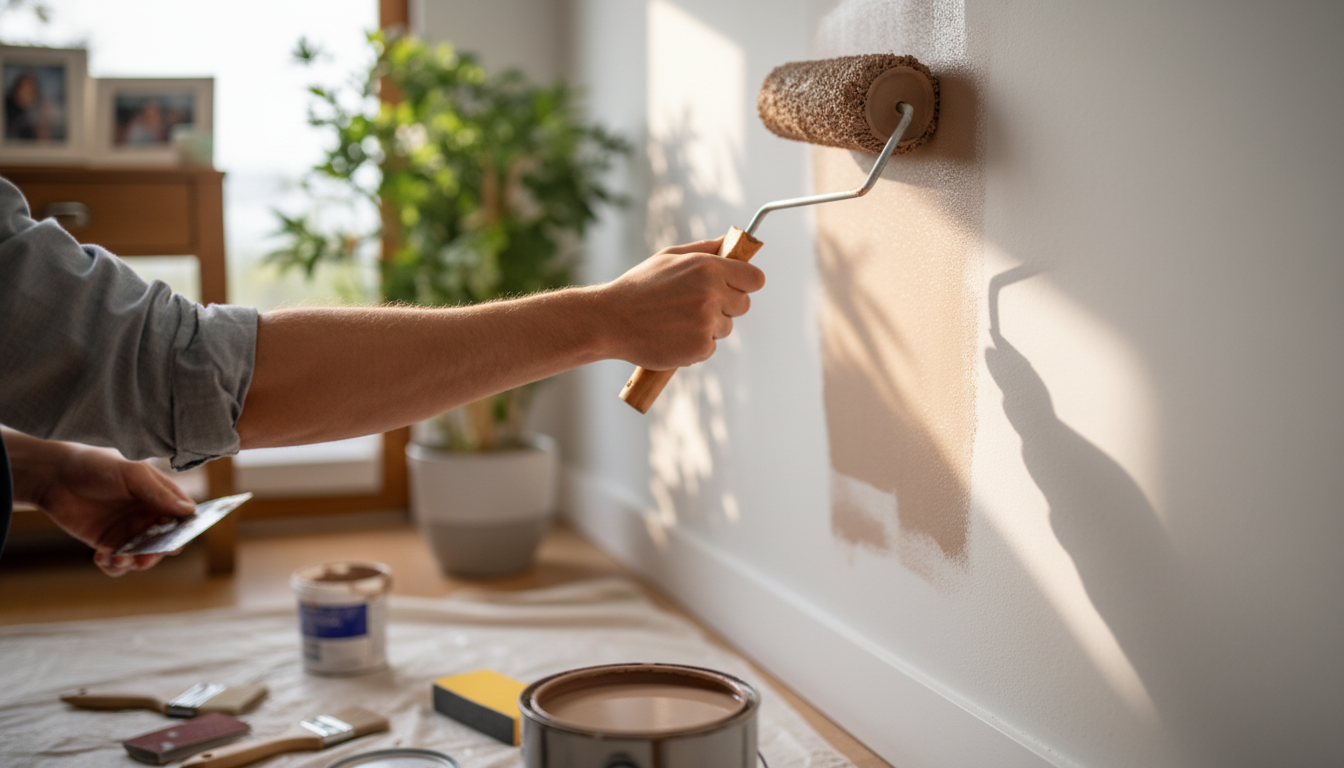
Scuffs, nail holes, and mystery marks can make an otherwise tidy room feel unfinished. With the right materials and a simple sequence, most wall issues can be repaired and blended in during a single afternoon—without repainting the entire room. The key is to diagnose what you’re seeing (texture, sheen, stain type), prep the surface so repairs bond, and then “feather” both patch and paint so the eye can’t find the edges.

Start With a 10-Minute Wall Check

  • Scan walls in daylight and again at night with a lamp held at a low angle to reveal dents, ripples, and patch edges that overhead lights hide.
  • Sort issues into: surface grime, small holes, dents, cracks, peeling paint, and water stains—each needs a different fix to stay invisible.
  • Identify wall texture (smooth, orange peel, knockdown) before patching so you don’t create obvious “flat spots.”
  • Decide whether touch-up is enough: if multiple walls show uneven fading or heavy stains, repainting one full wall may blend better than scattered dabs.

If your home was built before 1978 and you’ll be sanding or scraping, follow lead-safe guidance. The EPA’s Renovation, Repair and Painting (RRP) program explains when precautions and certified help are needed: https://www.epa.gov/lead/renovation-repair-and-painting-program.

Tools and Materials That Make Repairs Invisible

  • Cleaning: mild dish soap, microfiber cloth, melamine sponge (test first), and a small bucket.
  • Patching: lightweight spackle for small holes; setting-type compound for deeper dents; mesh tape for recurring hairline cracks.
  • Sanding: 220-grit for feathering edges; sanding sponge for corners; tack cloth or damp rag for dust removal.
  • Painting: angled sash brush, 4-inch mini roller with the right nap (typically 3/8 inch for drywall), and a paint tray.
  • Protection: painter’s tape, drop cloth, and nitrile gloves for quick clean-up.

Fast Match Guide: Problem → Best Quick Fix

Wall problem Best quick fix Dry time (typical) Blend tip
Scuffs and fingerprints Clean first; repaint only if discoloration remains 10–30 min Avoid over-scrubbing flat paint; dab and lift instead
Nail holes Lightweight spackle; sand flush; touch-up paint 30–60 min Prime if patch flashes through
Small dents Setting-type compound in thin layers 20–90 min Feather 3–6 inches past damage
Hairline cracks V-groove lightly; fill; consider mesh tape if recurring 30–90 min Don’t just paint over cracks—will reappear
Peeling paint edge Scrape loose; sand; spot-prime; repaint 1–3 hrs Prime the exposed paper or bare drywall to prevent bubbles
Water stain Stain-blocking primer; repaint 1–2 hrs Fix moisture source before covering

Clean Before You Patch (So Repairs Stick)

  • Remove dust and oils: wash around marks with a lightly soapy cloth; rinse with clean water; let dry fully.
  • For crayon or stubborn scuffs: use a melamine sponge gently and test in an inconspicuous spot to avoid burnishing.
  • If paint looks shiny where cleaned, plan to blend using a mini roller to match surrounding sheen and texture.

For old homes and ongoing dust concerns, the CDC’s overview of lead in paint and household dust is a helpful reference: https://www.cdc.gov/lead/prevention/sources/paint.html.

Patch Small Holes and Dents Without Leaving a Halo

  • Open the damage: lightly scrape loose paint and press down raised edges so the patch sits level.
  • Apply in thin passes: overfilling creates extra sanding and visible mounds; build up only as needed.
  • Feather wide, not thick: spread compound beyond the damaged spot so edges taper into the wall.
  • Sand lightly: use 220-grit and stop as soon as the patch feels flush; over-sanding can dish the area.
  • Remove dust completely before paint; leftover dust causes rough touch-ups.

To check your work before paint, shine a light across the patch. A small phone tripod can help keep the light or your reference video steady while your hands are full—see Adjustable Tabletop Phone Stand for Livestreaming & Vlogging.

Prime the Patch When Needed (and Skip It When You Can)

  • Prime when: bare drywall paper is exposed, water stains were present, or the patch is larger than a few inches.
  • Skip primer when: using paint-and-primer products on very small spackle spots in low-sheen paints (test first).
  • Use stain-blocking primer for water marks and smoke discoloration to prevent bleed-through.

Primer is less about “extra steps” and more about controlling porosity. Without it, patches can drink up paint, dry duller, and create a visible ring—especially in eggshell and satin finishes.

Touch-Up Paint That Actually Blends

A Simple DIY Home Makeover Checklist (Room-by-Room)

If you want a printable, step-by-step version you can keep with your paint supplies, grab the Quick Fix Magic for Your Walls checklist download.

Common Mistakes That Make Touch-Ups Obvious

Make It Easier Next Time: Store Paint and Notes

FAQ

Why does touch-up paint look like a different color after it dries?

Touch-ups can dry differently when the paint wasn’t fully stirred, the wall has faded over time, or the sheen/tool doesn’t match (brush vs roller). Let the area dry completely before judging, and blend with a mini roller to match surrounding texture and reflectivity.

Do patches always need primer before paint?

No—very small spackle spots on low-sheen walls may cover fine without primer. Prime when drywall paper is exposed, stains are present, or the patch is larger than a few inches; use a stain-blocking primer for water marks to prevent bleed-through.

How can a repair match orange peel or knockdown texture?

Use thin compound and feather edges wide, then recreate texture with a sponge/roller technique or a small-area texture spray (practice on cardboard first). Once the texture looks right, prime if needed and roll paint to match the surrounding pattern.


Was this article helpful?

Yes No
Leave a comment
Top

Shopping cart

×