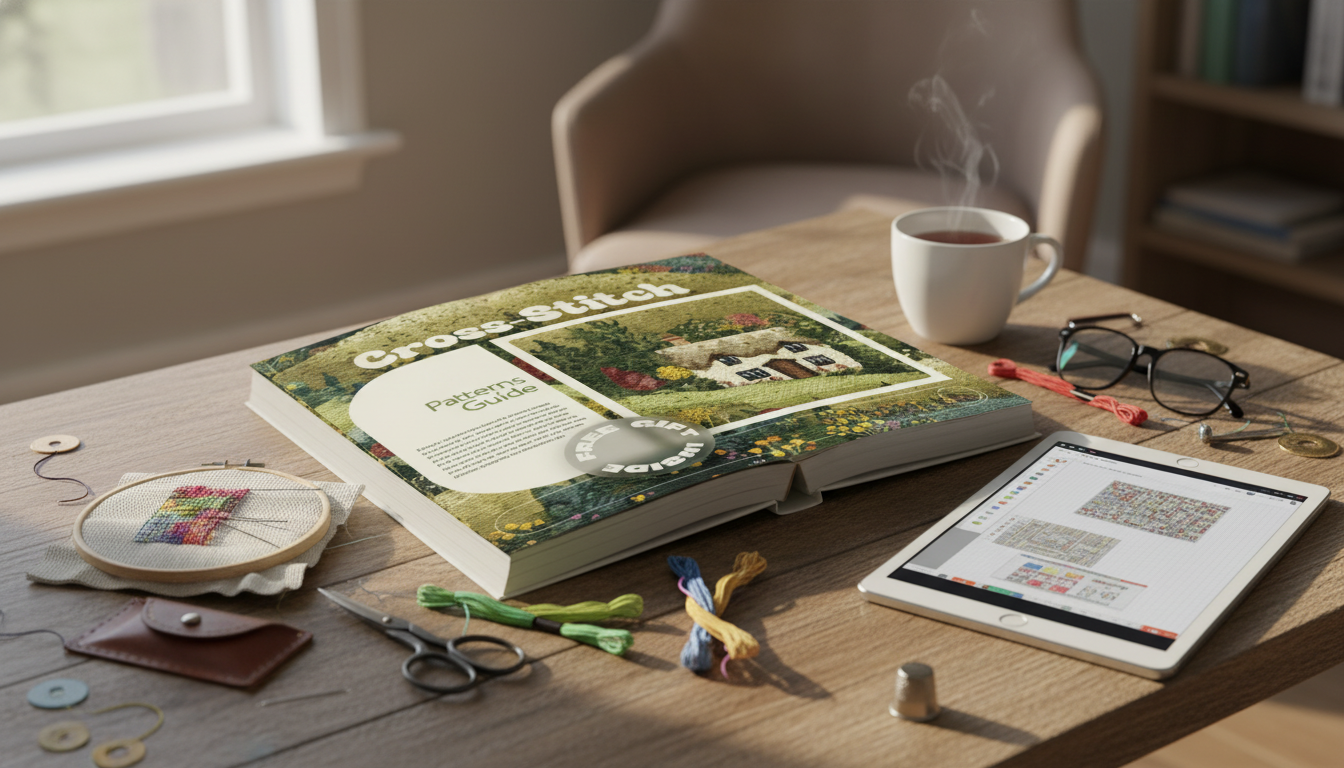
Cross-stitch is one of the easiest needle crafts to start: a simple X-shaped stitch, a clear grid to follow, and quick wins that build confidence fast. The key is choosing an approachable pattern, setting up your fabric with enough margin, and building a few clean habits early—like consistent stitch direction and tidy starts. Once the basics feel natural, modern digital tools (tablets, zoom, and progress tracking) can make pattern reading even smoother and keep projects organized.
The best beginner cross-stitch patterns reduce decision fatigue and counting mistakes. Look for small designs (fewer stitches) with limited color changes so you aren’t constantly stopping to rethread. Charts should have clear symbols with a readable legend; avoid heavy “confetti” charts where single stitches are scattered everywhere until counting feels second nature.
Start with full stitches only. Backstitching, fractional stitches, and specialty stitches are fun, but they’re easier after your tension is consistent. Beginner-friendly patterns also list the recommended fabric count and finished size—helpful for picking a hoop, leaving margins, and planning how you’ll display the final piece. A materials list that uses widely available floss references (like standard DMC numbers) keeps shopping simple; DMC’s color system and resources are a common baseline for many stitchers (DMC).
A small set of reliable supplies is all you need to begin. Aida cloth is the most beginner-friendly fabric because the holes create an obvious grid; 14-count Aida is a classic starting point. Pair it with blunt tapestry needles (often size 24–26) that slide between fabric threads instead of splitting them.
Most patterns use stranded cotton embroidery floss. You separate strands to control thickness—commonly 2 strands on 14-count Aida for balanced coverage and easier tension control. Add a hoop (or a Q-snap-style frame) for steady tension, small sharp scissors, and a simple organizer (bobbins or floss cards) so color numbers don’t get lost mid-project.
| Item | Best beginner choice | Why it helps |
|---|---|---|
| Fabric | 14-count Aida | Easy-to-see holes and predictable coverage |
| Needle | Tapestry size 24–26 | Blunt tip prevents splitting fabric threads |
| Floss strands | 2 strands | Balanced coverage and easier tension control |
| Stitching support | 6–8 inch hoop or Q-snap | Comfortable grip and steadier fabric |
| Marking tool | Water-soluble marker | Helps count sections and avoid drifting |
| Cutting tool | Small embroidery scissors | Clean starts/finishes and fewer frays |
Before the first stitch, take five minutes to set yourself up for fewer headaches later. Find the fabric center by folding in half twice, then lightly crease. Starting near the chart center helps prevent the classic beginner issue: running out of margin on one side after hours of stitching.
Backstitching (if your pattern includes it) is usually added after all cross stitches are finished. One strand often creates crisp outlines, unless the chart specifies otherwise. When the piece is complete, gentle washing (when safe for your floss and marking method) can remove oils and grid lines; blocking helps square the fabric before framing. For technique insights from a respected embroidery institution, explore the Royal School of Needlework.
Digital patterns can make stitching more comfortable and accurate—especially with small symbols. Set up your device so it supports good posture: a stable stand keeps the screen at an easy viewing angle, and strong lighting reduces eye strain. For a simple desk setup that works well for tablet chart viewing, consider an Adjustable Tabletop Phone Stand for Livestreaming & Vlogging as a multi-purpose holder for smaller tablets or phones.
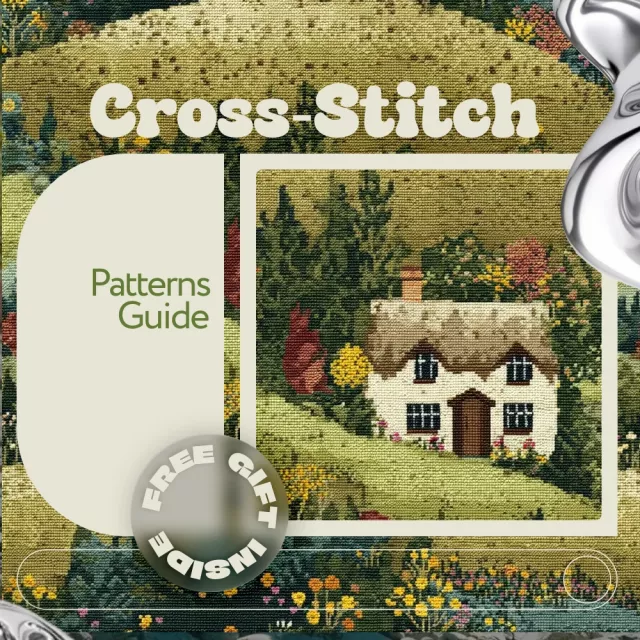
Stick with 14-count Aida if you want forgiving visibility and faster progress; higher counts can look more detailed but are slower and harder to see. Pick a practical finish from the start: a simple frame, a hoop display, a greeting card, a patch, or a small wall hanging. If you prefer digital charts, choose patterns with crisp symbols, clear legend pages, and straightforward materials lists. For an all-in-one starting point that combines patterns, tools, and modern digital workflow tips, see the Cross-Stitch Patterns Guide – Beginner-Friendly Ebook with Cross Stitch Patterns for Beginners, Tools, Techniques & Modern Digital Methods.
Two strands on 14-count Aida is a common baseline because it balances coverage and easy tension control. Use 1 strand for finer detail or higher-count fabrics, and consider 3 strands if you want fuller coverage on lower counts (as long as the needle still passes smoothly).
Starting from the center is often easier for beginners because it helps prevent running out of fabric margin on one side. Corner starts can work well if the fabric is carefully measured, the margins are generous, and gridding is used to stay aligned.
Zoom in for clear symbols, work in 10×10 blocks, and mark completed stitches as you go using a consistent tracker or annotation method. Save progress at natural stopping points (end of a block or section) so you never have to guess what was finished.



Leave a comment