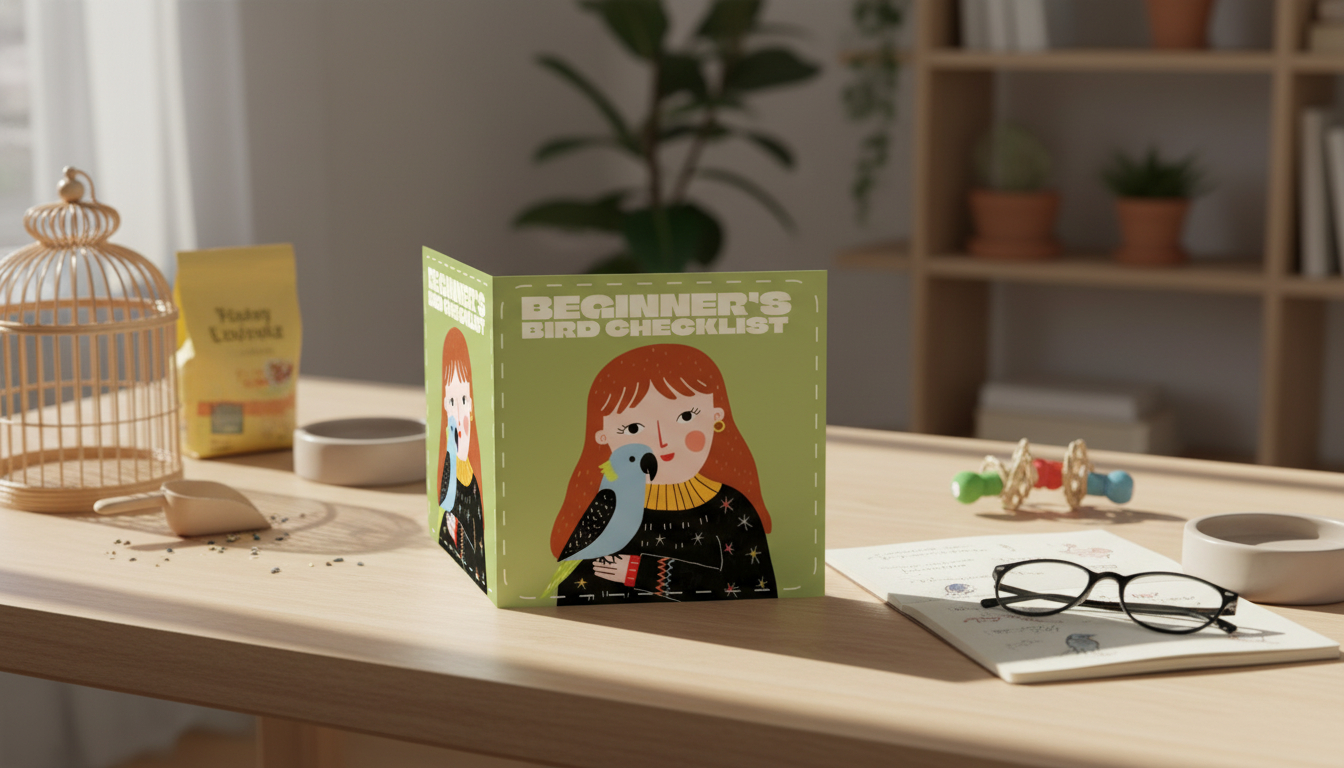
A first pet bird is easiest to enjoy when the basics are planned before the bird comes home: species fit, housing, diet, enrichment, and a simple bonding routine. Use the checklist below to make confident choices, reduce common first-week stressors, and build habits that support long-term health. For more guidance, see A Beginner’s Guide to Raising Pet Birds – Hamlin Veterinary Clinic.
“Beginner-friendly” often means predictable daily needs and a temperament that fits your household. Some birds want frequent interaction and will call for you; others are content nearby. Plan for a consistent, dark, quiet sleep window each night and decide what noise level is realistic for your space. For further reading, see Guide to North American Birds – National Audubon Society.
If hands-on companionship is your goal, choose a species (and individual bird) known for enjoying gentle training. If you’d rather observe and provide great care without frequent handling, a songbird may be a better fit.
All birds are messy: seed hulls, veggie bits, and droppings happen daily. Some species also produce more feather dust, which can mean more frequent wipe-downs and attention to ventilation and filtration.
Many parrots live for decades, so think beyond the first cage setup: vacation coverage, routine wellness visits, and an avian-vet emergency fund. Budget for a safe cage, varied perches, enrichment toys, quality pellets, fresh foods, and a travel carrier from day one.
These are popular “first bird” options because they’re widely available and can thrive with consistent routines.
Ask about age, diet history, vet records, band history (if applicable), temperament notes, and known bite triggers. If you’re adopting, find out what the bird is currently eating and what housing setup it’s used to so you can transition gradually.
| Bird type | Handling | Noise level | Care notes for beginners |
|---|---|---|---|
| Budgie | Often enjoys gentle training | Moderate chatter | Small but high-energy; benefits from daily out-of-cage time |
| Cockatiel | Usually enjoys interaction | Moderate; whistles | More feather dust; prioritize air quality and frequent cleaning |
| Green-cheek conure | Very interactive | Moderate to loud bursts | Needs structure, enrichment, and bite-prevention training early |
| Canary/Finch | Typically minimal handling | Pleasant song/chirps | Focus on flight space, diet variety, and low-stress routines |
Set up the cage in a bright room with steady household activity, away from the kitchen, drafts, and harsh midday sun. Birds have sensitive respiratory systems—avoid nonstick/PTFE/PFOA fumes, aerosols, smoke, candles, and strong cleaners near your bird. For a concise overview of common household hazards, see the ASPCA’s household dangers to birds.
Many companion birds do best when quality pellets form the foundation, with fresh foods offered daily. Use seeds and nut pieces strategically as high-value training treats rather than an all-day “free feed.” For broad pet care guidance, the AVMA pet bird care resource is a helpful starting point.
If you want a simple tracker to follow during the first weeks, the Beginner’s Bird Checklist printable digital download is an easy way to stay on schedule without overthinking every day. For a deeper, practical refresher on balanced feeding basics, the Pet Nutrition 101 digital guide can help you build better food routines across species.
Budgies and cockatiels are common starter parrots for owners who want interaction, while finches or canaries are often easiest for “watch and enjoy” homes. The best choice depends on handling preference, noise tolerance, and how much daily time you can commit, plus access to an avian veterinarian.
Aim for brief, consistent sessions (about 5–10 minutes) once or twice daily, especially for step-up practice and calm contact. During the first week, prioritize a predictable routine and end sessions early if body language says the bird is overwhelmed.
Seed-only diets are often unbalanced over time, so pellets are commonly used as a nutritional foundation alongside daily fresh foods. Seeds and nuts work best as limited treats for training, and an avian vet can help tailor the plan to your bird’s species and health.




Leave a comment