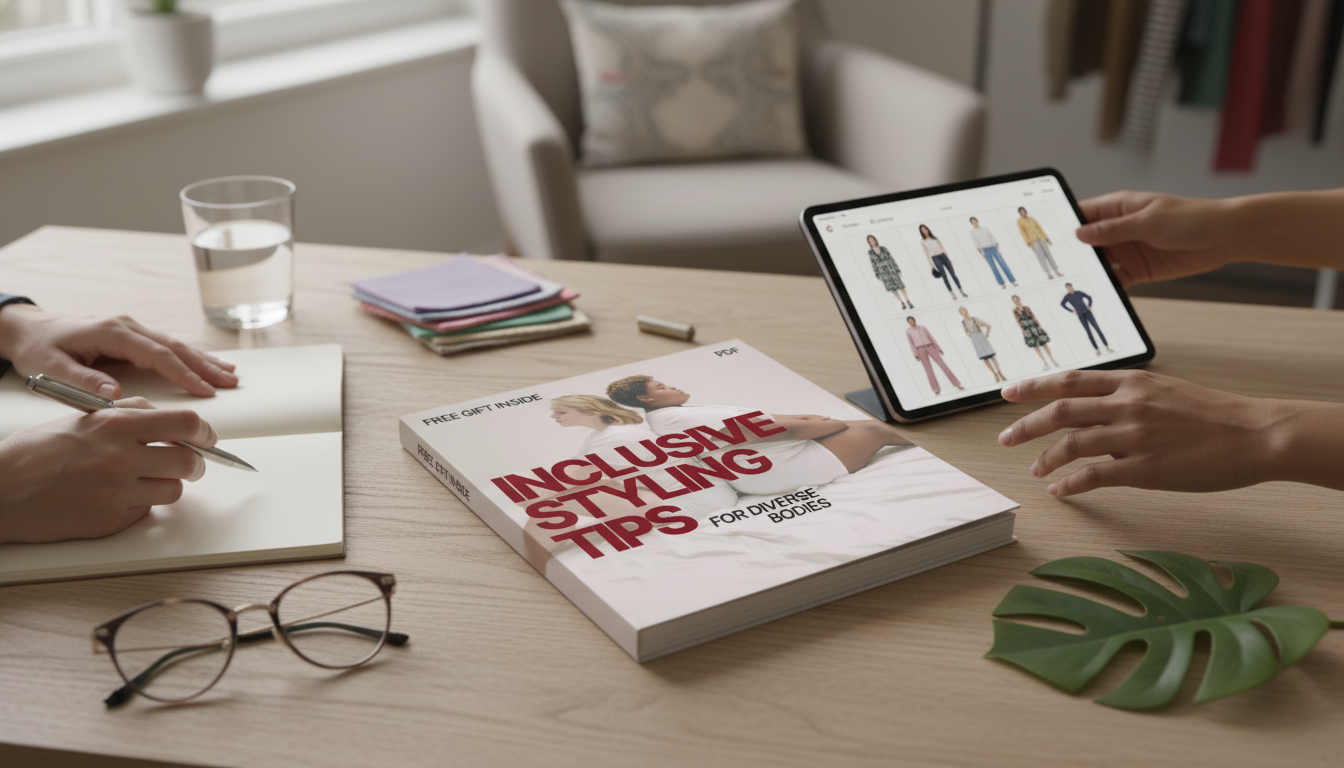
Great style starts with comfort, fit, and self-expression—not a single “ideal” body. Inclusive styling is about building outfits that move with you, feel intentional, and support your life (work, weekends, events, and everything in between). The most reliable upgrades come from fit, proportion, fabric choices, and small finishing touches that make you feel like yourself.
When clothes feel good on your body, confidence tends to follow. Fit is less about a size on a label and more about how a garment behaves in motion.
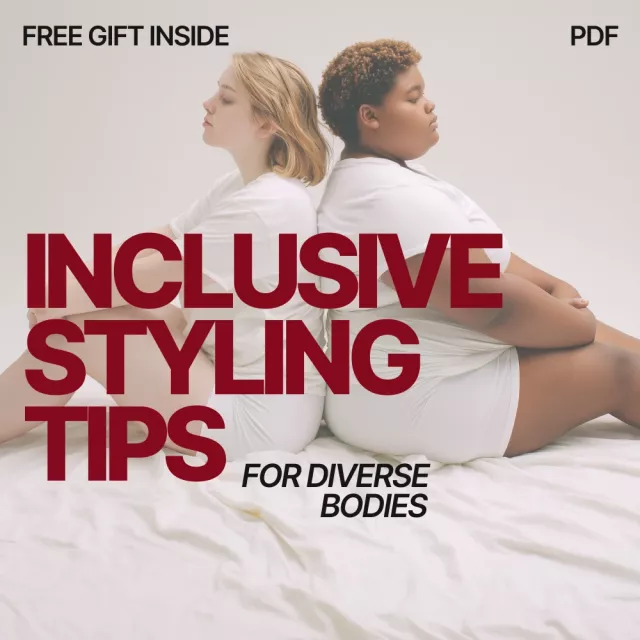
If you want a structured, step-by-step approach for building outfits around comfort and proportion, Inclusive Styling Tips for Diverse Bodies: A Guide for Fashion Confidence and Versatile Outfits is a practical companion you can reference while you edit your closet.
Proportion is the art of balance—where the eye lands, how lines move, and how pieces relate to each other. These principles work across heights, sizes, and styles.
| Occasion | Base | Third piece | Shoes | Why it works |
|---|---|---|---|---|
| Everyday errands | Tee or knit top + straight jeans | Overshirt or lightweight cardigan | Sneakers or loafers | Comfort-first with a layer that adds structure |
| Work or school | Blouse or fine-knit + tailored pants | Blazer or longline vest | Block heels or oxfords | Clean lines and easy movement; looks intentional |
| Dinner out | Slip skirt or dark denim + fitted/clean top | Leather jacket or draped blazer | Heeled boots or sleek flats | Texture contrast adds interest without fuss |
| Warm-weather day | Tank + airy wide-leg pants | Open button-down | Sandals or low-profile sneakers | Breathable with a vertical layer for balance |
| Cold-weather comfort | Turtleneck + ponte pants or leggings | Wool coat or puffer with defined shape | Chelsea boots | Warmth plus a clear silhouette |
Fabric has a bigger impact on how you feel than most “body type” advice. The right textile can skim, support, or float—without you fighting the garment.
Any color and any pattern can work on any body. The difference is how you use contrast, scale, and placement to express your mood and highlight what you love.
If body image concerns make getting dressed feel stressful, supportive resources can help: the National Eating Disorders Association (NEDA) body image information and the American Psychological Association (APA) overview on body image offer helpful context and guidance.
For a finishing touch that feels personal (and can make even a basic outfit feel complete), consider Your Everyday Scent Made Simple – Daily Perfume Checklist to help narrow down notes and routines for daily wear.
Add a “third piece” like a blazer, overshirt, or cardigan, then check quick fit points (shoulders, waist placement, and hems). A fast steam and intentional shoes/bag elevate the whole look, and simple tailoring like hemming can make older pieces feel brand new.
Choose fabrics with stretch and good recovery, and rely on clean lines instead of tightness. Balance volume with structure (one relaxed piece, one more defined piece) and use supportive underlayers that help the outfit skim smoothly without restricting movement.
No—any pattern or color can work. Focus on contrast, scale, and placement to guide attention (bold contrast for emphasis, softer contrast for blending), and use accents or layers to experiment without overhauling your wardrobe.


Leave a comment