
Office confidence isn’t a personality trait reserved for a lucky few—it’s a repeatable set of small behaviors before, during, and after the moments that matter. A checklist approach turns common workplace pressure points (meetings, presentations, emails, boundaries, and visibility) into simple actions that help work feel steadier, clearer, and more “you.” When stress spikes, it also helps to lean on proven basics like stress management fundamentals from the Mayo Clinic and practical guidance on imposter feelings from Harvard Business Review.
Confidence at work usually shows up less as charisma and more as reliability under pressure. Look for these signals in your own day-to-day:
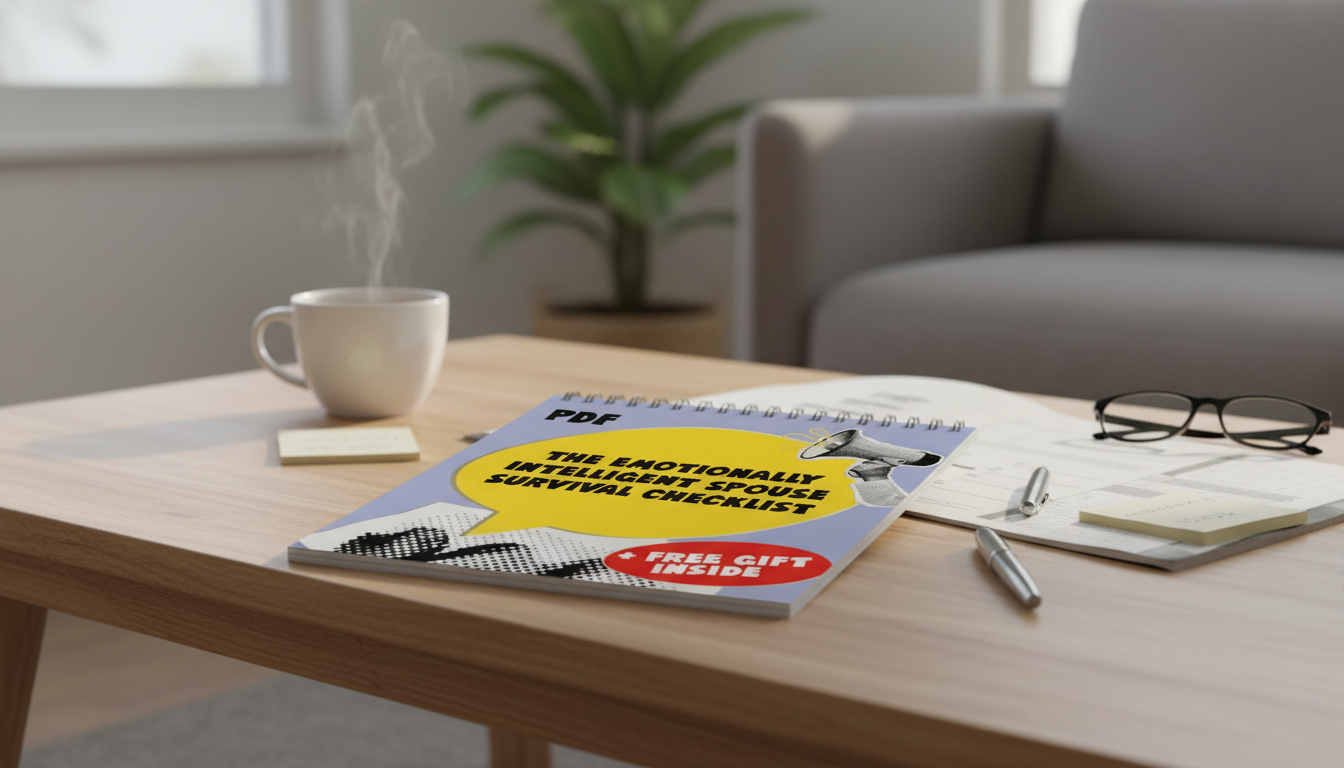
If you want a ready-to-use structure for these behaviors, the digital download Your Ultimate Office Confidence Checklist: Own It Like a Pro makes it easier to practice the same steady moves—especially during busy weeks.
When the day feels loud before it even begins, start with a short reset that keeps you proactive (not reactive):
| Work moment | Do this in 30–90 seconds | What it changes |
|---|---|---|
| Before opening email | Name the top outcome for the day | Reduces reactive spirals |
| Before a meeting | Write 1 question + 1 contribution | Increases visibility |
| Before a hard task | Define “done” in one line | Cuts perfectionism |
| After feedback | Repeat back the ask; confirm timeline | Prevents misunderstanding |
| End of day | Log 1 win + 1 next step | Builds self-trust over time |
Meeting confidence often comes from having a simple plan for how you’ll enter, contribute, and close loops:
For remote meetings, stability affects how steady you appear. A simple setup upgrade like an Adjustable tabletop phone stand for steady video calls can help keep your eye line consistent and your hands free for notes—small details that read as composed.
Clear writing is quiet confidence. It reduces follow-up, prevents misunderstandings, and signals ownership:
A helpful rule: if your message has more than one “just,” “sorry,” or “maybe,” rewrite it once for precision. Keep warmth, remove fog.
You don’t need to “perform” confidence; you need to look and sound grounded. Try these cues, especially in high-stakes moments:
For a confidence boost that’s more personal-routine than workplace-performance, a consistent “ready” ritual can help you switch into work mode. Some people pair their checklist habits with a simple grooming cue—like choosing a signature scent using a guide such as Your Everyday Scent Made Simple – Daily Perfume Checklist.
If you want a ready-to-use version you can keep open during the workday, Your Ultimate Office Confidence Checklist: Own It Like a Pro is designed for daily and weekly workplace moments—meetings, communication, boundaries, and feedback—so you’re not reinventing your approach under pressure.
Quick wins can show up within days when you use a short daily routine (meeting prep, one clear update, one logged win). Noticeable, steadier confidence usually builds over a few weeks of consistent repetition.
Include meeting prep (one question + one contribution), communication templates, boundary phrases, feedback processing steps, and a weekly wins log. The goal is repeatability: fewer decisions in the moment and more consistency over time.
Use “headline first” speaking, keep your eye line steady when delivering key points, and show up with one question and one contribution ready. Confidence also increases when you send a brief recap with decisions, owners, and next steps.






Leave a comment