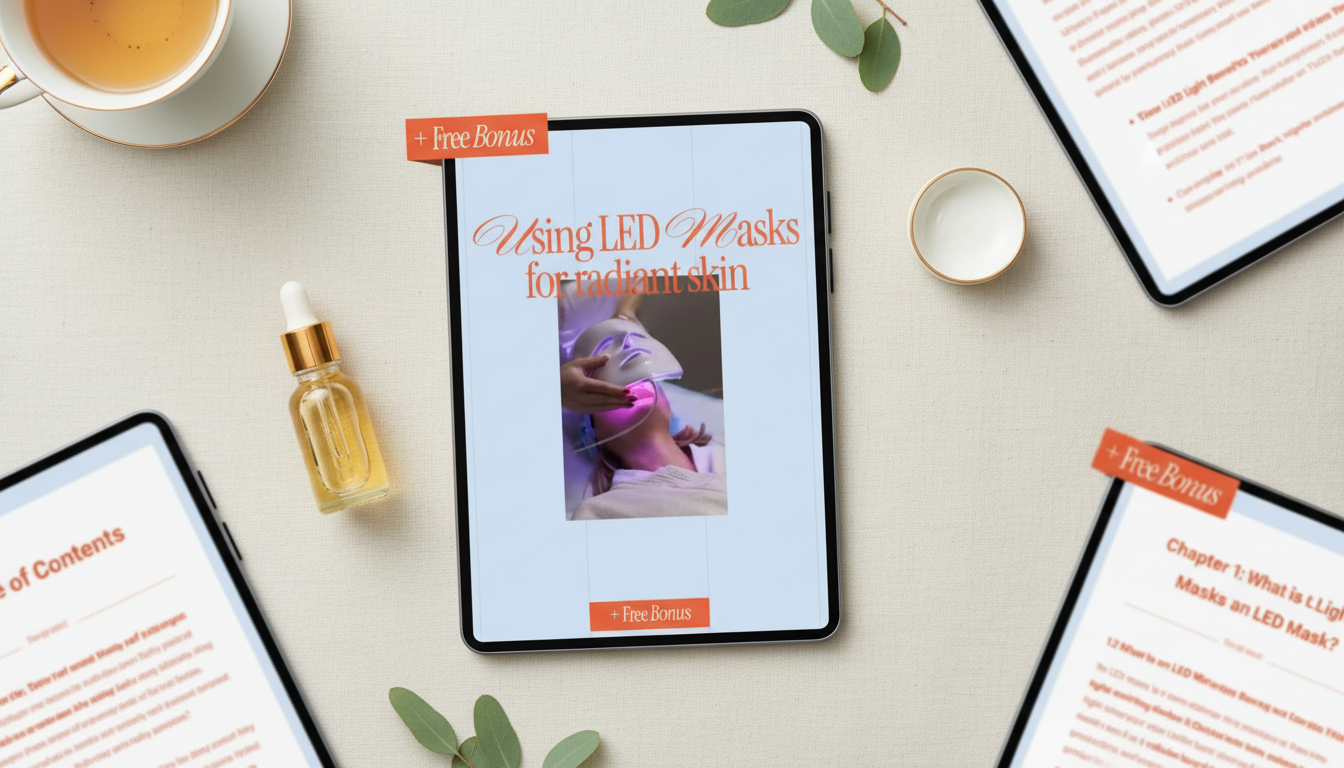
LED masks can be one of the simplest “set it and relax” steps in an at-home routine—especially when sessions are consistent, skin is prepped correctly, and aftercare stays gentle. Below is a practical breakdown of how LED light therapy works, which light colors to pick, how often to use your device, what to apply before and after, and the habits that make results easier to notice and maintain.
LED (light-emitting diode) devices deliver specific wavelengths of light that interact with skin at different depths. Unlike heat-based tools, the goal is controlled light exposure that supports a healthier-looking appearance over time.
Results are typically gradual and depend on consistency, device quality, wavelength, and your overall routine (cleansing, moisturizing, sun protection). LED masks can support visible glow, calmer-looking redness, and smoother-looking texture, but they do not replace medical care for persistent acne, rosacea, or stubborn pigmentation.
For a clinical overview of light-based treatments and safety considerations, see resources from the American Academy of Dermatology Association, the Cleveland Clinic, and Harvard Health Publishing.
Most at-home LED masks focus on a few core modes. Red light is commonly used for a more radiant look and the appearance of firmer, smoother skin over time. Blue light is often chosen for acne-prone routines because it targets factors associated with breakouts. If your device includes near-infrared, it’s often paired with red for overall “revitalized” skin and recovery support.
Combination modes can be convenient, but using a single, consistent setting for a few weeks makes it easier to track what’s actually working.
| Light color/mode | Best matched with | Typical session feel | Beginner-friendly tips |
|---|---|---|---|
| Red | Dullness, uneven tone appearance, fine-line look | Warm/neutral (should not be hot) | Use on clean, dry skin; pair with hydrating serum after |
| Blue | Oily or blemish-prone routines | Cool/neutral | Avoid harsh actives right before; moisturize after to prevent dryness |
| Red + Near-infrared | Overall radiance, post-stress skin, texture support | Neutral to mildly warm | Keep sessions consistent; take weekly photos in the same lighting |
| Multi-color rotation | Mixed concerns | Varies by device | Change only one variable at a time (setting or products) for 2–4 weeks |
LED masks are generally considered low-effort and non-invasive, but “gentle” still requires basic guardrails.
Small prep details can make sessions more comfortable and consistent—two factors that matter more than chasing maximum minutes.
Sit or lie down comfortably. Choose a moderate session length recommended by your device (often 10–20 minutes). If you tend to multitask, a stable setup helps prevent uneven exposure from constant shifting.
For hands-free consistency (and fewer “mask slipped again” moments), an Adjustable Tabletop Phone Stand for Livestreaming & Vlogging can hold a timer, calming playlist, or guided breathing video at eye level without you needing to crane your neck.
Adjust straps so the mask rests close to the skin without pressing hard on the nose or cheeks. Pressure marks can happen if the mask is overtightened, especially on longer sessions.
If you want a simple way to stay on schedule, Using LED Masks for Radiant Skin – Complete Guide (digital download) is a printable-friendly routine companion for logging sessions, settings, and product notes without guessing.
For a “routine stacking” approach that keeps self-care streamlined beyond skincare, Your Everyday Scent Made Simple – Daily Perfume Checklist can pair nicely with your evening wind-down habits.
Daily use can be fine for some people, but many routines do well with 3–5 sessions per week. Start slower, monitor dryness or irritation, and follow the device’s recommended schedule.
Clean, dry skin is the safest default. If applying anything beforehand, keep it lightweight and non-irritating, and confirm the device allows it; hydrating products are usually best saved for after the session.
Many people notice subtle changes in glow and texture within 4–8 weeks with consistent use. Taking photos in the same lighting helps reveal gradual improvements.




Leave a comment