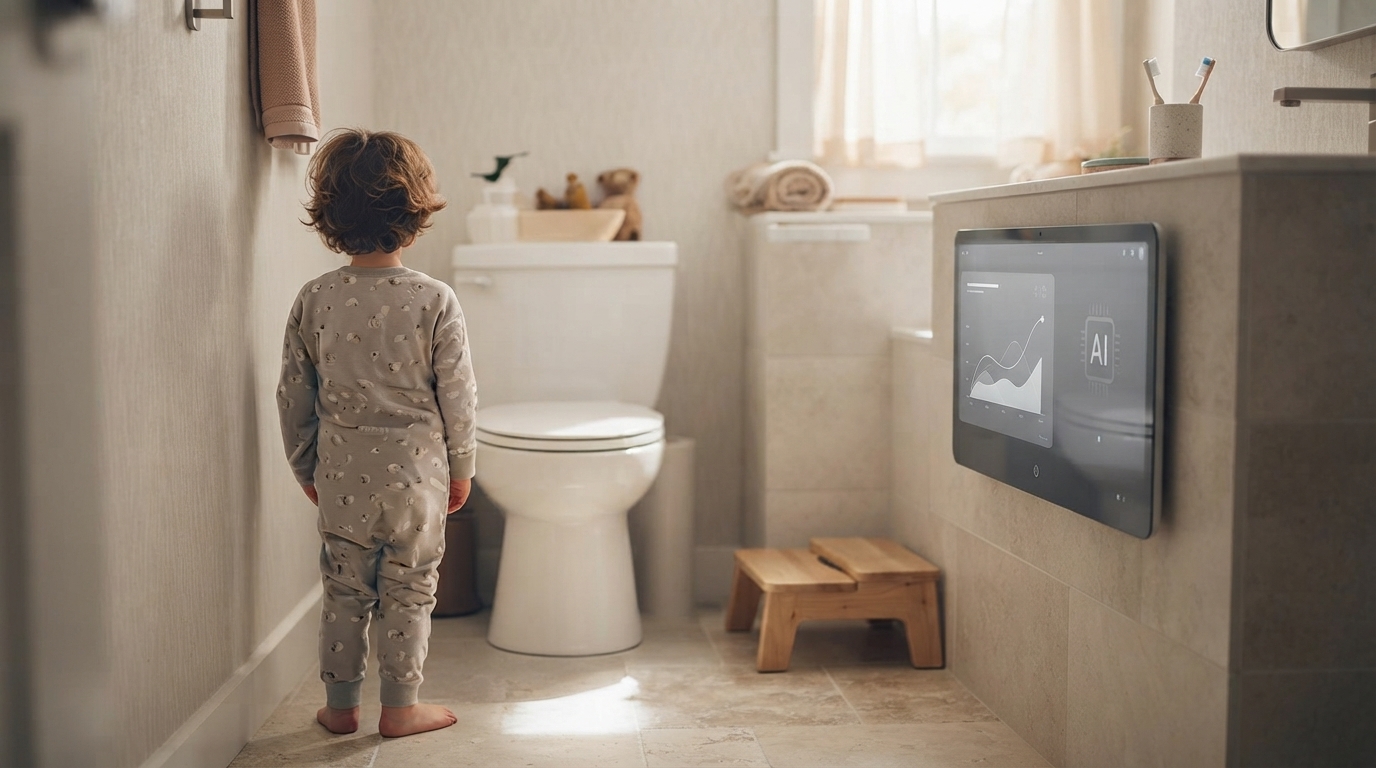
Potty training progress is easier to manage when it’s broken into clear milestones, consistent routines, and simple tracking. A checklist approach reduces guesswork, helps spot patterns (like timing and triggers), and keeps expectations realistic during setbacks. This guide walks through readiness signs, daily routines, what to track, and how a printable checklist paired with an AI-based tracking system can support parents through each stage.
Potty training rarely moves in a straight line. Real progress often shows up as small, repeatable wins that build skills over time.
Starting when your child is reasonably ready often reduces frustration. Readiness doesn’t mean “never has accidents”—it means they can participate in the routine.
For additional guidance on readiness and expectations, see resources from American Academy of Pediatrics (HealthyChildren.org) and the Mayo Clinic.
A predictable rhythm creates more learning opportunities with less pressure. Instead of repeatedly asking, build “potty moments” into the day so your child knows what to expect.
If it helps to keep your hands free while you set a timer, read a short story, or log attempts, an accessory like the Adjustable Tabletop Phone Stand for Livestreaming & Vlogging can keep your phone stable on a counter without juggling it mid-routine.
Milestones make progress visible even when accidents still happen. Track the stage your child is in, then aim for one “next step” at a time.
| Skill to Track | Early Sign | Building | Consistent |
|---|---|---|---|
| Sits calmly | Sits with prompting | Sits on routine times | Sits and relaxes anywhere |
| Pee success | Occasional pee in potty | 1–2 planned successes/day | Most daytime pees in potty |
| Poop success | Poops near potty | Sometimes in potty | Mostly in potty |
| Initiates | Tells after accident | Sometimes tells before | Usually tells before |
| Stays dry | 30–60 minutes | 1–2 hours | 2+ hours |
| Clothing independence | Needs help | Partial help | Independent |
Tracking turns “It feels like accidents happen all the time” into usable information. A few consistent data points can reveal patterns within a week.
If you’re seeing stool discomfort, withholding, or frequent hard stools, it may help to review general guidance from the NHS on potty training and bedwetting and consider whether a pediatrician should be involved.
AI is most helpful when it stays in the background—summarizing what’s already happening rather than creating extra work.
Available here: The Checklist on Potty Training Progress with AI | Digital Potty Training Guide for Parents | Printable eBook & AI Tracking System for Toddlers.
Many families see meaningful progress in a few weeks, but full consistency can take months. Readiness, routine consistency, and how your child handles change matter more than any fixed timeline, and it’s normal for progress to be non-linear.
Track time and outcome (success/attempt/accident), cues right before going, likely triggers (transitions, screen time, intense play), fluids/meals, stool comfort, and the environment (home vs. daycare). Patterns in these notes help you tighten timing and prevent repeat accident windows.
Lower pressure and keep sits brief (about 1–3 minutes) with simple choices like a book or song. Check comfort (stable seat and foot support), model the routine, and if stress escalates, take a short pause and restart with calmer, routine-based “potty opportunities.”




Leave a comment